Adaptability isn’t just a skill—it’s a survival strategy.
With industries evolving at an unprecedented rate, businesses must ensure employees can learn, unlearn, and relearn continuously. This ability—Skill Agility®—is the key to maintaining a competitive edge in today’s unpredictable landscape. Organizations that embed continuous learning, create personalized training pathways, and integrate real-time coaching will empower employees to pivot quickly as industries shift.
Skill Agility® is not just about keeping up; it is about leading. The future workforce will be defined by employees who can seamlessly transition from one skill set to another, embracing innovation rather than resisting it.
What is Skill Agility®?
Skill Agility® is the ability to rapidly acquire, refine, and apply new skills to meet evolving business needs. Unlike traditional training that focuses on static skill development, Skill Agility® emphasizes adaptability, problem-solving, and continuous upskilling.
Why It Matters:
- 94% of business leaders say employees will need continuous reskilling to remain competitive (World Economic Forum, 2024).
- Employees at companies that prioritize Skill Agility® are 30% more likely to outperform competitors (Deloitte, 2024).
- The average skill's half-life is now less than five years, meaning employees need to continuously upskill (LinkedIn Learning, 2024).
Four Key Steps to Developing Skill Agility®
Assess Future Skill Needs
- Conduct a skills gap analysis using data-driven insights and workforce analytics.
- Identify emerging industry trends and align training with future job requirements.
- AI-powered learning management systems (LMS) can pinpoint skill gaps before they become business risks.
Create Adaptive Learning Pathways
- Move away from one-size-fits-all training and create role-specific learning journeys tailored to industry shifts.
- Employees are more likely to buy in and stay engaged when training is relevant (LinkedIn Learning, 2024).
Use Real-Time Coaching and AI Feedback
- AI-powered virtual coaching provides immediate feedback on employee progress.
- Managers can use AI-driven insights to guide targeted upskilling efforts.
- Real-time feedback has emerged as a critical component in enhancing employee retention. Organizations that implement successful feedback models can increase employee engagement by 14.9%, significantly impacting retention rates. (Gallup, 2025)
Leverage AI-Powered Learning Platforms
- AI-driven adaptive learning platforms dynamically adjust content and difficulty levels based on learner performance.
- Leveraging AI can lead to a 15% increase in engagement and retention (McKinsey, 2025)
How Unboxed Training & Technology Supports Skill Agility®
At Unboxed Training & Technology, we help organizations embed Skill Agility® into their workforce through:
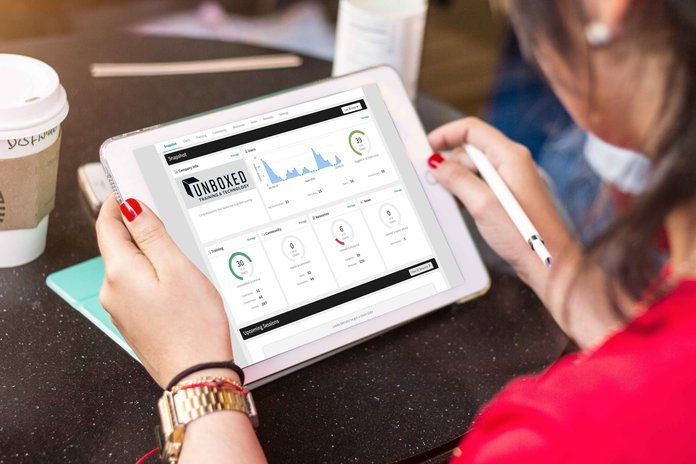
- Spoke® Learning Platform: Personalized learning paths that adapt as employees grow.
- AI-Powered Coaching and Feedback: Intelligent analytics to refine skills in real time.
- Interactive Training Modules: Engaging, scenario-based learning for rapid skill acquisition.
Final Thoughts
Skill Agility® is no longer optional—it is a business necessity. Organizations that foster an adaptive, learning-focused culture will outperform competitors and drive innovation.
Now is the time to build a culture of continuous learning with Unboxed.